



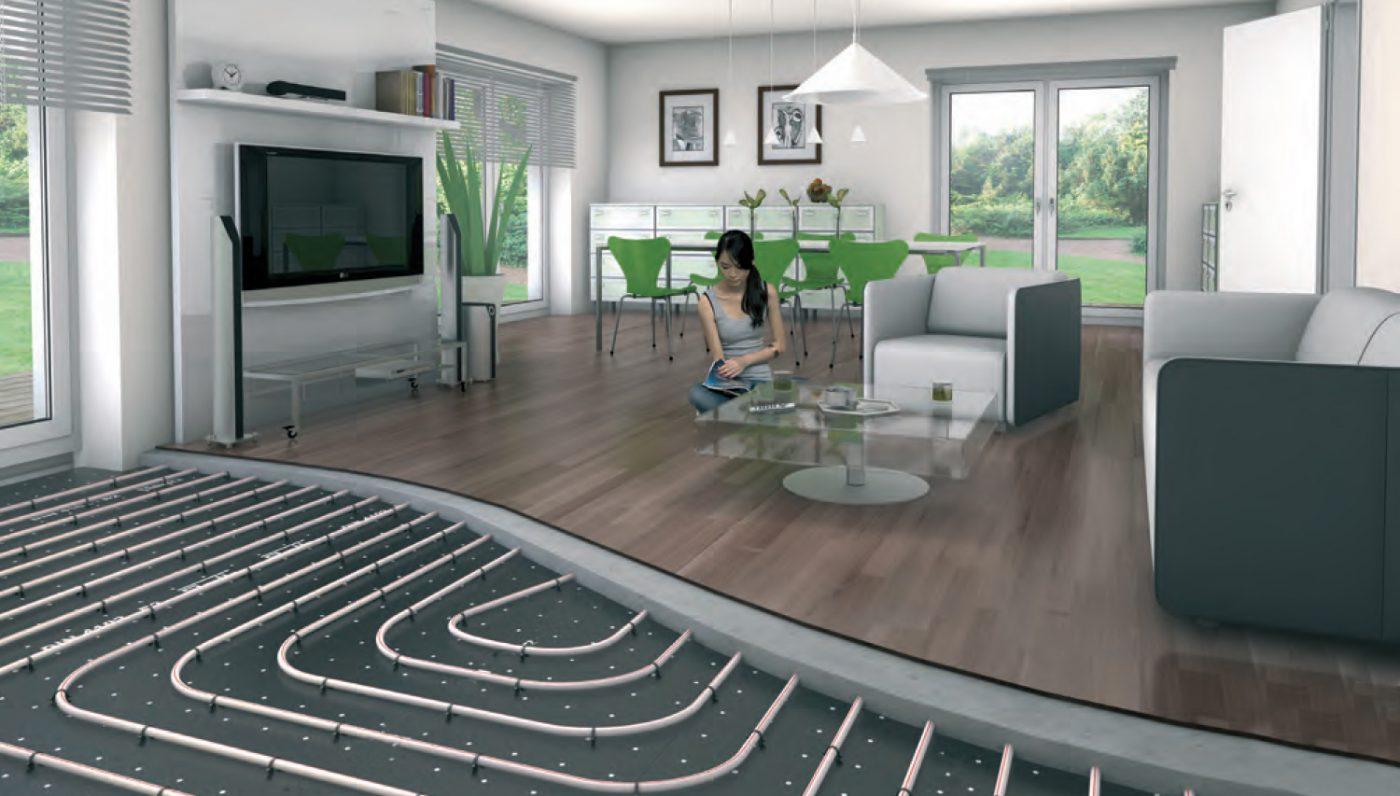
When planning a renovation or the construction of a new house or apartment, we consider various heating solutions, and radiant heating is one of the most popular choices—both for the comfort it provides year-round (although it really shines in the fall and winter) and for its energy efficiency.
If you're considering investing in radiant heating, it's important to know whether it's compatible with the floating floor, whether it's laminate, vinyl, hardwood, or cork flooring. The good news is that, yes, it is possible to combine these two options to create a warm and comfortable atmosphere in your home.

Radiant Heating: The Technology Behind Thermal Comfort
Radiant heating is a technology that differs from traditional convection-based heating systems. Instead of heating the air surrounding the space, radiant heating emits heat directly from the floor, radiating upward and warming objects and people in the room. This method creates a unique sense of comfort and eliminates the need for radiators or noisy fans.
Radiant heating systems typically consist of electric cables or hot-water pipes embedded in the floor. They distribute heat evenly, eliminating cold spots and providing a gentle, pleasant warmth throughout the space. In addition, radiant heating is highly energy-efficient, as it reduces heat loss and allows for better control of the room temperature.
Compatibility with Floating Flooring
The answer to the question about whether floating floors are compatible with radiant heating is yes. You can install laminate, vinyl, hardwood, or cork flooring over an underfloor heating system, whether it is hydronic or electric. The main difference between these flooring types lies in their thermal resistance; vinyl flooring has a slightly lower resistance, which means it heats up more quickly than the others. Each type of flooring has its own specific characteristics, along with installation and usage guidelines for underfloor heating systems.

Radiant Heating Systems: Hydronic and Electric
There are two common types of radiant heating systems: hydronic and electric. The hydronic system involves installing a network of pipes through which water circulates to heat and cool surfaces. This type of installation is best suited for new construction or renovations, as it requires embedding the pipes in the floor screed. In the long run, the hydronic system can be more cost-effective, especially if the water is heated using renewable energy sources.
On the other hand, the electric system is more affordable in terms of initial costs, since it does not require special infrastructure, such as boilers or heat pumps. It is particularly well-suited for renovations, since it does not require raising the existing floor. However, it may be more expensive in the long run, depending on energy consumption. The major advantage of this system is its rapid temperature regulation and simplified maintenance.
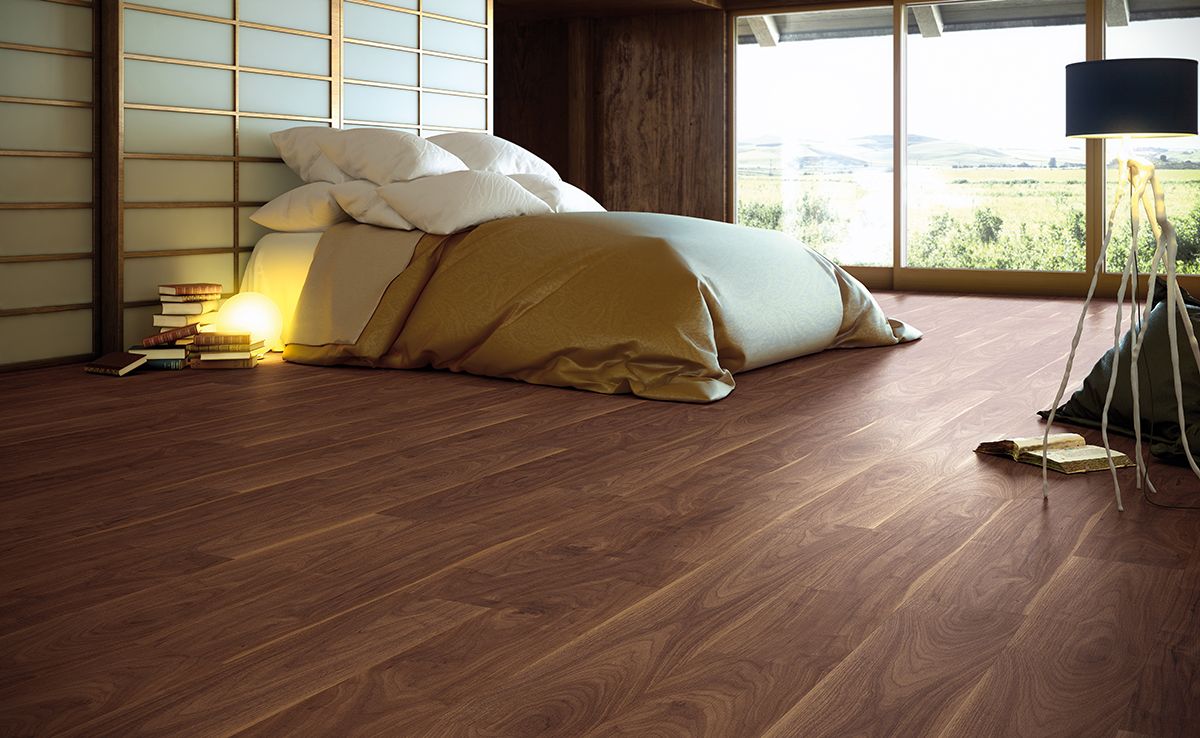
Essential Care for Floating Floors in Heating Systems
When installing flooring over an underfloor heating system, it is essential to follow the specific guidelines for each type of flooring and ensure compatibility with the heating systems. Be sure to use the accessories recommended by the manufacturers to optimize the heating system’s performance and protect the flooring from potential damage.
In addition, there are some general considerations to keep in mind regarding radiant heating systems:
-
-
-
- The maximum temperature on the pavement surface must not exceed 27°C;
- Always adjust the temperature gradually at the beginning and end of the heating period to prevent damage to the floor;
- Daily temperature fluctuations are acceptable, provided that the maximum floor temperature remains within the limits;
- Keep the relative humidity within the limits recommended in the installation instructions;
- Avoid heat buildup under rugs, carpets, or furniture placed close to the floor;
- During the warm-up period, gaps may appear in the floor joints.
-
-
The Importance of Thermal Resistance and Insulation
Each type of flooring has a different thermal resistance; thicker flooring, such as wood flooring more than 18 mm thick, can slow the transfer of heat. To optimize the heating system, it is advisable to install an insulating layer beneath the heating system. This allows heat to be reflected by the insulating layer and directed through the flooring more efficiently.